
Capturing Maui Through Motion and Light
Maui gives a videographer rare material to work with. The island has cliffs, calm bays, old roads, green valleys, and beaches that change color through the day. A camera can catch wind in the palms, salt spray near the shore, and clouds rolling over the West Maui Mountains. That mix makes video feel alive in a way still photos sometimes cannot.
Why Maui Works So Well on Video
Light changes quickly on Maui, and that helps motion pictures feel rich. Sunrise at Haleakala, which rises to about 10,023 feet, can look cold and blue at first and then turn warm within minutes. Near the beach, the light often bounces off water and sand, giving skin a softer look. Small shifts matter a lot.
The island also offers many kinds of sound, and sound is half the job in good video. Waves hit lava rock with a low thump in some areas, while birds and wind fill the upcountry mornings. A short clip of surf at Napili Bay feels very different from a quiet path in Kula. Those details help viewers feel present, not just informed.
Maui has movement everywhere. Clouds slide over ridges, dresses lift in the trade winds, and the ocean never stays still for even ten seconds. Video loves change, so the island keeps feeding the frame with natural action. That is one reason a strong shoot here can look cinematic without a giant crew or a truck full of gear.
How a Videographer Captures Real Moments
A Maui videographer does more than record what is in front of the lens. The work often starts with timing, route planning, weather checks, and a sense of how people behave when a camera is near. On a wedding day or a family trip, the best clips usually come from honest reactions. Good direction helps, but forced emotion shows right away.
Many couples and planners look for a trusted Maui videographer when they want local knowledge as well as camera skill. That kind of service can help pick a beach with softer wind, a ceremony time with better light, or a backup spot if rain moves in from the north shore. The advice matters because Maui weather can shift three times in one afternoon. Local experience saves stress.
Real moments are often tiny. A parent fixes a collar. Someone laughs off camera. A flower crown slips, and a friend reaches over to adjust it before the music starts. These small actions can say more than a long posed shot, especially when they are filmed with clean audio and a steady hand from a few feet away.
What to Ask Before Hiring a Professional
Hiring the right person takes more than watching a highlight reel. Ask how many events they have filmed on Maui, what gear they bring, and how they handle harsh noon sun or heavy beach wind. A videographer with 50 island shoots behind them may spot problems before they happen. Experience shows in quiet ways.
It helps to ask about coverage length and delivery details. Some teams shoot for 4 hours, while others stay for 8 or 10 and include drone work if conditions allow. You should also ask what the final package includes, such as a 3-minute teaser, a 7-minute feature film, or full ceremony audio. Clear numbers prevent confusion later.
One more thing matters: personality. A videographer may stand close during a vow exchange, ride in a car for part of the Road to Hana, or spend an entire afternoon with your family. That is a long time. If the person feels calm and easy to talk to, people on camera usually relax faster, and the footage looks more natural.
Editing Turns Raw Footage Into Story
Editing is where separate clips become one clear memory. A single Maui shoot can produce 100 to 300 short clips, plus audio from vows, speeches, waves, and ambient room tone. The editor has to sort all of that, trim weak moments, and build a flow that feels honest. This takes patience.
Music choice changes the mood fast. A slow track under sunrise footage can make the island feel grand and reflective, while a brighter rhythm can make a beach session feel playful and warm. Audio mixing matters just as much, because wind noise can ruin a strong scene if it is left unchecked. Tiny fixes can save a sequence.
Color work also shapes the final look. Maui can appear very different from one location to the next, with deep green valleys, dark lava, and bright turquoise water all appearing in the same day. A careful editor balances those shifts so skin tones stay natural and the island still looks true to life. That balance is harder than many people think.
Why Local Knowledge Makes the Final Film Better
Local knowledge changes the pace of a shoot. A visiting crew may know cameras well, yet still lose time on narrow roads, crowded beaches, or permit questions. Someone who works on Maui often knows when Makena gets busy, when upcountry air turns cool, and which side of a beach gives cleaner backlight near 5:30 p.m. That knowledge protects the schedule.
There is also respect for place. Maui is not just a pretty background for a fast project; it is home to communities, traditions, and landmarks with real meaning. A thoughtful videographer pays attention to where they stand, how they speak to local staff, and what kind of behavior feels out of line. Respect shows on camera even when no one says a word.
The best films from Maui tend to feel specific. They show more than palm trees and sunsets. You might see red dirt on shoes after a short trail, hear a conch shell before a ceremony, or catch mist moving along the mountain for less than a minute before it clears. Those details make the story personal and hard to copy.
Maui video lasts because it holds movement, sound, and feeling in one piece. When the work is thoughtful, the island does not just look beautiful; it feels close again months or even years later. That is why strong videography on Maui matters so much to the people who keep watching.


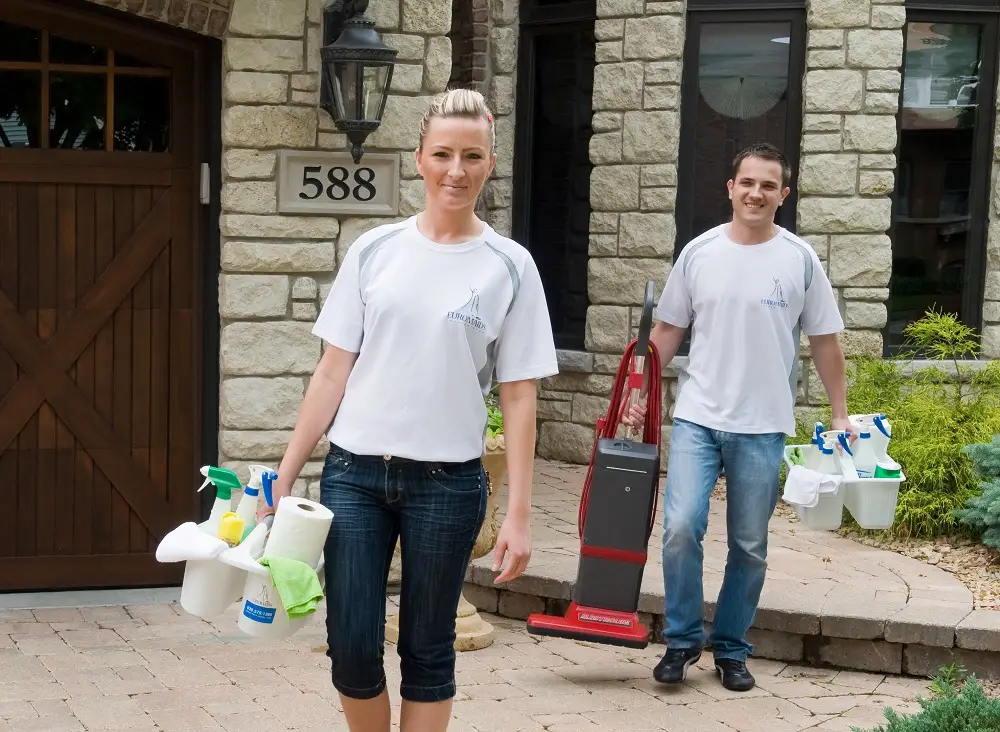 One kitchen stands out in my memory because the homeowner couldn’t understand why her floors always felt tacky. She mopped every two days—sometimes more when the kids were home. The moment I stepped onto the hardwood, I knew she was dealing with product buildup. Once I broke down the layers with a neutral cleaner and reset the floor, she told me it felt like she’d just had the entire house refinished. It’s a common mistake I see in Downers Grove homes: more detergent, more effort, and somehow a worse result.